In the midst of a busy laboratory, a technician carefully handles small but crucial biological samples destined for long-term preservation. The reliability of these samples hinges on the choice of storage vials that can endure extreme freezing temperatures without compromising sample integrity. Traditional cryogenic vials play an indispensable role here, providing secure containment for biological materials in ultra-low temperature environments. Laboratories depend on a trusted cryogenic vials supplier to maintain consistent quality and sterility, enabling researchers to focus on their work without concern for sample degradation.
The adaptability of traditional cryogenic vials to different volume requirements makes them particularly useful in various laboratory workflows. With volume options ranging from 0.5ml to 5.0ml, these vials accommodate a broad spectrum of sample sizes, which is essential for laboratories managing diverse specimens. Additionally, their dimensions are designed for compatibility with standard cryobox racks, including 100-well racks for smaller volumes and 81-well racks for mid-sized vials. This organized approach to storage optimizes space utilization and simplifies sample retrieval. The design considerations implemented by a reliable cryogenic vials supplier ensure that the vials fit securely within the popular cryobox configurations without the risk of dislodgement during transport or storage. This compatibility streamlines laboratory operations by integrating easily into existing freezing units and inventory tracking systems.
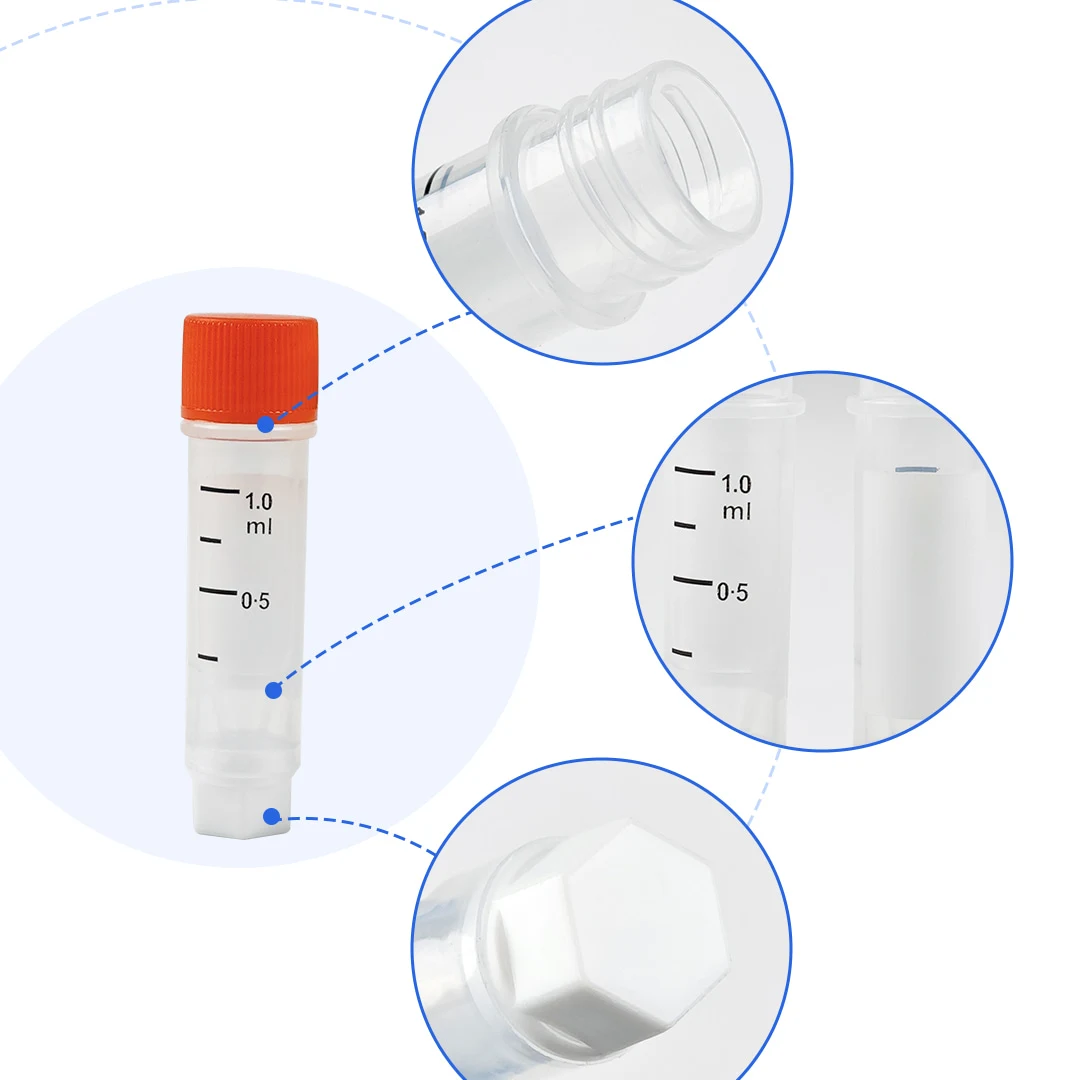
Durability and contamination prevention stand as critical features for any cryogenic storage solution. Traditional cryogenic vials offer medical-grade polypropylene construction that withstands temperatures from -196°C, typical of liquid nitrogen storage, up to high-temperature sterilization conditions of 121°C. This material robustness guarantees that vials maintain structural integrity in extreme environments and resist cracking or warping over time. Sterility is further assured as these vials come e-beam sterilized and are free from DNase, RNase, and endotoxins. Such conditions preserve sample purity and prevent cross-contamination during long-term storage. Choice in screw caps, including both external and internal threading and multiple cap styles, caters to diverse laboratory preferences and specific sample security needs. These variations, provided by a dependable cryogenic vials supplier such as AMNGENT Cryogenic Vials, allow efficient sample identification and handling, especially when color-coded caps assist in quick visual sorting. The combination of these features highlights the thoughtful design necessary for laboratories that demand high performance from their cryogenic storage vials consistently.
In industries where biological sample integrity is tightly regulated, certifications and quality standards are paramount. Traditional cryogenic vials supplied by reputable sources undergo rigorous quality assurance processes. Certifications such as ISO9001 and ISO13485 affirm adherence to stringent manufacturing and quality management protocols. CE certification signals compliance with European safety and health directives, reassuring users of product reliability. Irradiation certificates confirm the vials are sterilized thoroughly without compromising the polypropylene material. Additionally, reports verifying the absence of endotoxins and the safety of element migration serve to minimize risks of chemical interaction with stored samples. Such comprehensive certification profiles establish a foundation of trust and accountability, essential for laboratories relying on cryogenic storage for sensitive research or clinical specimens. When choosing a cryogenic vials supplier, these regulatory credentials reflect the supplier’s commitment to offering products meeting international demands, thus safeguarding researchers and their work.
Looking toward the future of laboratory sample storage, traditional cryogenic vials remain a steady solution for managing biological materials under extreme conditions. Their reliable design, adaptable volumes, and robust certifications ensure they continue to address evolving laboratory protocols while maintaining safety and efficiency. When a laboratory partners with a knowledgeable cryogenic vials supplier, it reinforces a foundation of confidence in long-term sample preservation. The comfort of knowing that samples rest in sturdy, tested containers with user-friendly features encourages ongoing innovation and careful stewardship of invaluable biological resources.


